I’m stoked to see that Tor.com included my story “The Menagerie Machine” on their list of “Nine (Very) Short Fantasy Stories With Happy Endings”! If you’re looking for some short fantasy reads to brighten your day, this is the list for you.
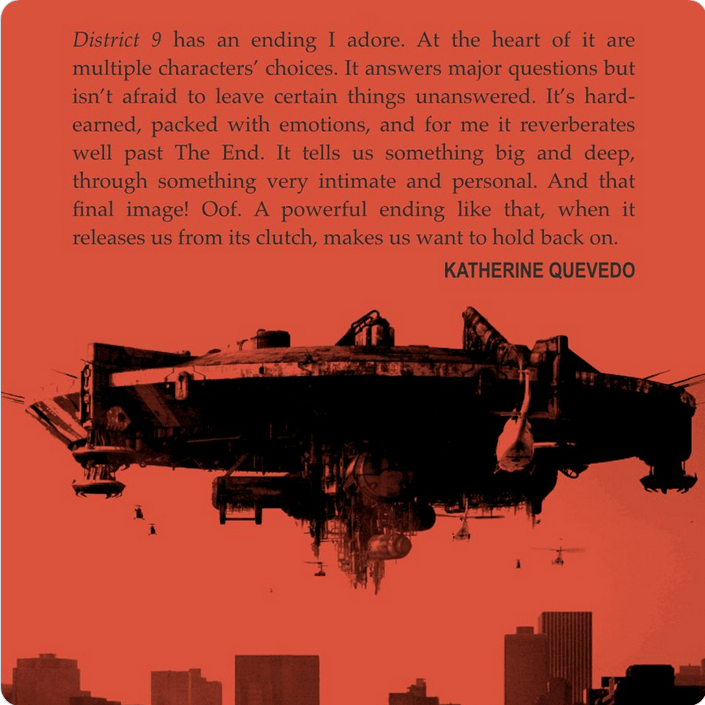
I’ve been thinking a lot about endings lately. I’ve been reading about closure and anti-closure, particularly in poetry, and a few months ago TOWER Magazine tweeted my comments below about an ending I admire. This was part of the lead-up to their End-themed issue.
Then there’s the DIY MFA book, which breaks down endings into a matrix—the analyst side of my brain loves a good diagram—based on the result that a character wants (or, believes that they want), whether or not they get it at the end, and—tellingly—whether they still want it. That last piece is huge.
I don’t have one set outcome I seek to provide in my work. I love happy endings, and these probably make up the majority of what I write. However, I also love bittersweet ones, dark ones, ambiguous ones, at various points depending on my mood and, especially, on what the story or narrative poem demands. I probably have overall tendencies I’m not crisply aware of (I’m actually far more of an idealist than a cynic). I prize variety. It’s probably why, for example, the editor of Wyngraf called out my cozy fantasy novelette “A Petrified Heart” as “certainly the darkest story of the issue” in his introduction.
People talk about stories, even dark ones, having an undercurrent of hope. That resonates with me. Even with the horror I write, I don’t see hope as a weakness. I never see it as trite or twee or insignificant. I think it’s an essential component of survival. I went with a friend to see Ada Limón give a talk in Portland earlier this year, and one thing the poet laureate shared jumped out at me: “Hope is work.” She meant this in a good, worthwhile way. Yes. Let’s go do the work.
